Anúncios
You can get more done in a noisy day without adding digital clutter. Combine simple self-care and small systems to protect your attention and boost productivity.
Start with a short, practical list you can use today. Try scheduled breaks, a Technology Time Out, and a nightly SMART list so you wake up with a clear way to spend your time.
Timed sessions like 25 minutes on with 5 minutes off make staying on task easier because your brain expects a pause. Silence non-essential apps and close unused windows to cut distractions.
This section gives a friendly guide to a few minimalist tools and habits that help people turn limited time into meaningful things done. You’ll learn when to use blockers, audio, and planning so your attention goes where it matters most.
Why minimalist tools help you stay focused in busy, distracting environments
A pared-down approach keeps your mind clear and your day manageable, even when distractions hit.
Silencing non-essential apps and switching off notifications shortens the time your brain spends context switching. When alerts stop pulling you, your attention goes to one task and stays there longer.
Work in short, predictable blocks—try 25 minutes on, 5 minutes off—so your brain expects a pause. Those breaks help your brain reset and reduce stress during long sessions.
Make a short SMART list the night before. A clear list of 3–5 tasks cuts decision fatigue in the morning and gives you a simple way to start the day fast.
Small health habits support sustained work: hydrate, move for a minute, or do a two-minute meditation. These steps calm the brain and lower stress so you can stay focused when noise rises.
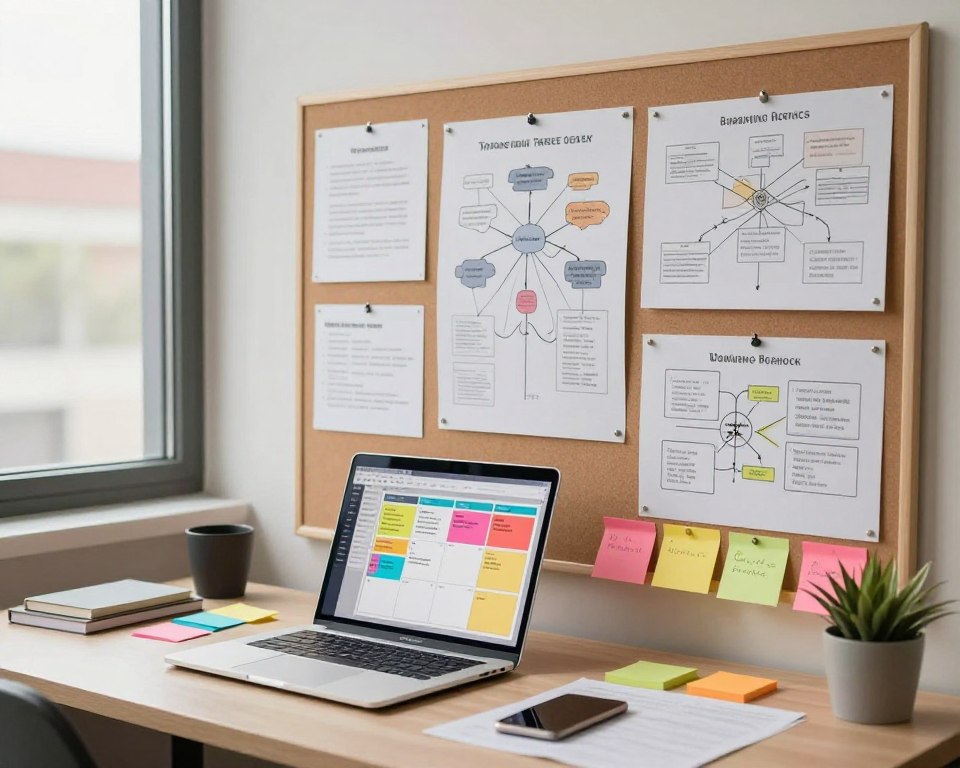
Keep only a few single-purpose tools visible. Each one should block noise, guide your tasks, or time your work. That minimal setup removes friction and makes the next step obvious.
Focus improvement tools: a curated, clutter-free list that actually boosts your productivity
Build a tiny stack: one timing method, one blocker, and one task list to start. This keeps your day simple and your attention steady.
Use the pomodoro technique to time-box work into short sessions. Try 25 minutes on, 5 minutes off. Alternatives include 30/7 or 48/12. Apps like Focus Booster, PomoDone, and Focus Keeper make those minutes simple to run and log.
Install a website or app blocker to cut distractions at the source. Freedom and Self-Control enforce strict blocks. For browsers, StayFocusd and LeechBlock let you set limits and even a “nuclear” option. On mobile, Zero Willpower (iOS) and Focus Lock (Android) lock tempting apps while you work.
Add ambient audio to shift into a flow state. Brain.fm and Focus@Will use research-driven sound types that keep your brain engaged without lyrics. Use headphones for the best consistency.
Keep one lightweight task manager visible. Trello, Todoist, Things, or OmniFocus will keep today’s tasks front and center. Make a tiny list of 3–5 priorities and resist adding more mid-day.
| Category | Example | Best for | Key session feature |
|---|---|---|---|
| Timing | Focus Keeper | Short, repeatable sessions | 25/5 preset cycles |
| Blocker | Freedom | Cross-device control | Locked Mode |
| Audio | Brain.fm | Enter flow state | Activity-based tracks |
| Task app | Todoist | Priority lists with AI | Today view |
| Reset | Calm | Short meditation breaks | 3–5 minute sessions |
Track minutes with RescueTime and review the data. Set a goal like “productive first hour” and adjust your sessions and blockers based on real reports. Pick one task app and one blocker first—too many choices add friction. Keep the stack minimal and make each item do a single job so your mind moves forward.
Lightweight time management: structure your day with short sessions, breaks, and a SMART list
Build a compact plan tonight so tomorrow’s work fits into clear, short sessions. Use a SMART list with 3–5 items: specific, measurable, achievable, relevant, and time-restricted.
Plan today’s 3–5 most important tasks and time-block them
Each evening, jot one priority per line and add a small subtask. Then reserve calendar blocks for short units you can finish in minutes.
Pick one technique for the day—25/5, 30/7, or a custom cycle—and stick with it to avoid dithering. Put your top task first when energy is highest.
Use brief breaks to reset your brain without screens
When a timer rings, stand up, stretch, hydrate, and step away from screens. Reward yourself with a structured break after a few cycles so your brain works with your attention instead of against it.
- Anticipate pets, kids, or doorbells by planning simple needs each morning so interruptions drop.
- If interrupted, restart the session or move the task to the next block—progress beats perfection.
- End the day by noting one or two carryovers to set up tomorrow and keep momentum for things done.
Small, repeatable time management habits make the day easier to manage and boost your overall productivity.
Create the right environment: simple tools that give you control over attention
Set up a few environmental anchors so your attention stays with the work that matters. Choose one small change that reduces friction and you’ll notice fewer interruptions during your best hours.
Block tempting websites and apps during peak focus hours
Decide your peak hours and block the sites that pull you away. Use Freedom or Self-Control for cross-device or desktop blocks. StayFocusd and LeechBlock let you cap time or redirect attempts to productive pages.
Go mobile-first with Zero Willpower and Focus Lock to tame phone distractions
On your phone, schedule Zero Willpower or Focus Lock for the same hours you set for desktop. When your phone is quiet, you stay focused longer and avoid quick, costly checks.
Use binaural beats and optimized sound to drown out noise and stay in the zone
Add Brain.fm or Focus@Will to shift your state and sustain flow in noisy spaces. Test different types of audio and stick with the one that keeps you calm and alert. Headphones make results consistent.
Non-tech reminders: visible goals, a clean desk, and a power strip to fully unplug
Post one or two written goals where you can see them. Keep a five-minute desk reset between sessions to clear visual clutter and set up your next task.
Tip: Put critical devices on a power strip so a single switch disconnects everything during deep work or breaks. When willpower dips, use a blocker’s Locked Mode so the tool enforces your rules.
- Decide peak hours, then block the exact website and apps that hijack attention.
- Use mobile blockers to stop quick glances from derailing a session.
- Pair optimized audio with a clean desk to protect your work and tasks.
Healthy habits that power focus: sleep, stress, and movement made simple
Good daily habits keep your brain ready for deep work and quick recoveries.
Prioritize consistent sleep and hydration. Being rested sharpens memory and decision-making so you get more done with less effort. Keep water and a healthy snack nearby to avoid energy dips and extra trips away from tasks.
Use tiny movement snacks to reset attention. Stand, stretch, or walk for one to three minutes between sessions. Apps like StandUp! or Stretch Clock Break Reminder can cue you quietly without derailing your day.
Short meditation sessions to reduce stress and steady the mind
Try one short breathing break with Calm or Breathe2Relax. Even three minutes of guided meditation lowers stress and steadies the mind for the next block of work.
Exercise also changes the brain in ways that enhance attention; consider the evidence on how movement supports cognitive health and stamina by following this summary on how exercise changes the brain.
- Sleep: Aim for regular bed and wake times so your brain resets.
- Movement: Short, screen-free breaks of standing or stretching every hour.
- Meditation: One brief guided session to lower stress and sharpen attention.
| Habit | What to do | Best for |
|---|---|---|
| Sleep schedule | Fixed bedtime and wake time | Consistent cognitive performance |
| Movement snacks | 1–3 minute stands, stretches, short walks | Resetting attention during long work blocks |
| Short meditation | 3–5 minute guided breathing | Lowering stress and steadying the mind |
Make it continuous: measure, reflect, and refine your focus routine
Set a simple weekly ritual to review what your data says and plan two small tests for next week.

Review your time data weekly and adjust blockers and sessions
Once a week, open RescueTime or your time reports and scan where minutes actually went.
Pick one concrete goal like “one distraction-free hour each morning.” Use the data to see if that goal moved the needle.
Run small “kaizen” tweaks to your workflow and celebrate progress
Make one tiny change per week: shorter sessions, stronger blockers, or a clearer first task.
Treat the workflow like a project: define the problem, test a fix, review the outcomes, and lock in what works.
- Agree shared quiet blocks with your team so messages wait during deep windows.
- During your weekly management check-in, name one stalled task and one immediate action.
- Track and celebrate small wins to reinforce habits and keep progress visible.
| Review Item | Weekly Action | Measure |
|---|---|---|
| First hour | Goal: distraction-free first hour | Minutes productive (RescueTime) |
| Session length | Test shorter or longer cycles | Number of completed sessions |
| Team norms | Set quiet blocks and message rules | Interruptions per day |
Keep it small. Two changes a week, track the data, and repeat. Over time you’ll see fewer context switches, more things done, and steady gains across projects and team work.
Conclusion
Close the day with one clear plan so your next session starts fast. Choose one blocker, one timer, one task app, and one audio source. That small stack saves time and cuts decision friction so you can get things done.
Use short work blocks and planned breaks to protect your attention. Put important tasks first when your mind is fresh. Check weekly time reports and make one tiny change so your routine adapts as projects and hours shift.
When distractions spike, return to basics: timer on, audio on, blocker on, then take one calm break and restart. With a lean setup and steady habits, you’ll spend less effort managing interruptions and more energy on real progress today and every work day.