Anúncios
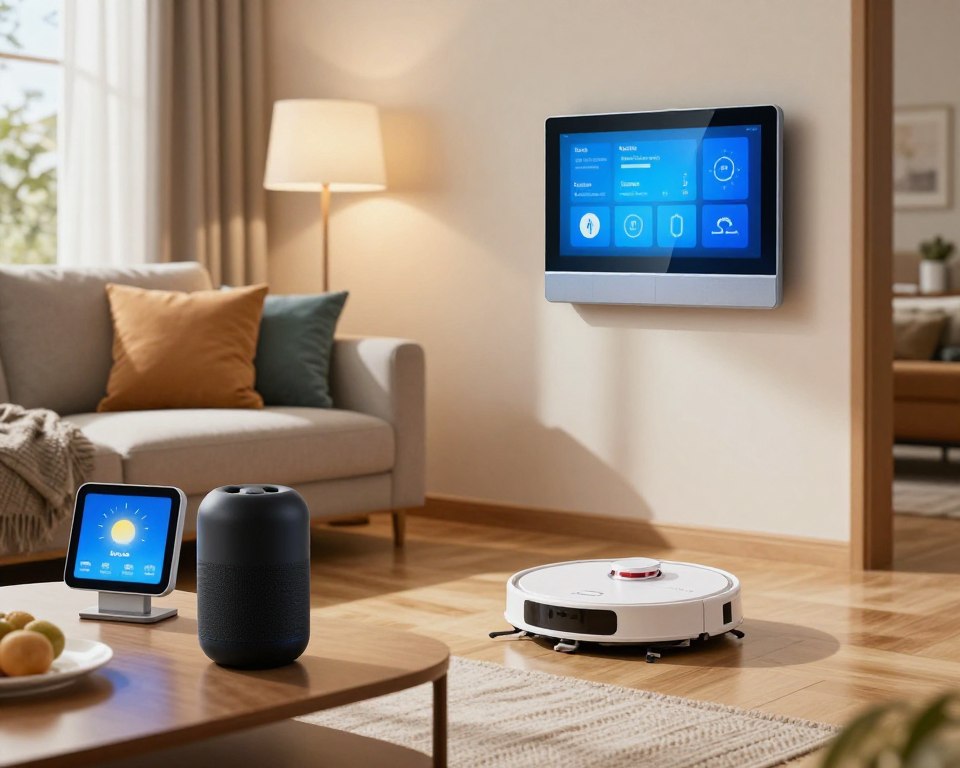
You already use assistants every day — from Siri voice checks to Alexa routines and Google Maps routing. These tools moved from reactive helpers to chat-style copilots, and in 2026 they become more proactive for both work and home.
Expect smarter scheduling, clearer focus, and less email ping-pong. An assistant will learn your language and intent, then draft messages, block deep work time, and sequence tasks across apps like Motion, Reclaim, or Clockwise.
Memory and context awareness grow, so your calendar adapts when meetings shift. That adds real value: saved time, fewer interruptions, and smoother days at work and at home.
By 2026 you’ll carry the same patterns from life to the office — a single tool that blends voice and text, protects data, and shows reliable capabilities. The result is simpler software stacks and more time for the work that matters.
What “personal ai assistants” mean for your day-to-day in 2026
In 2026, your daily workflow shifts as a helper moves from simply answering questions to taking action inside the tools you use. That change turns brief questions into completed tasks and real time savings.
You’ll speak or type in natural language and the assistant will find slots, draft replies, and set reminders without long prompts. Voice interactions make quick updates easy during the day, while chat captures nuance for longer requests.
Why commercial intent matters: picking tools you’ll actually use
- You want an assistant that works inside the apps and software you already open every morning.
- Set preferences once—preferred meeting lengths or “no calls after 4 p.m.”—and the tool enforces them.
- Proactive nudges remind you of follow-ups or doc reviews so fewer tasks slip through the cracks.
Choose tools that prioritize integrations, natural language processing, and clear value. That way you pay for features you use daily—smarter scheduling, cleaner inbox triage, and better meeting prep. For a practical primer on designing a trusted agent for work, see this personal agent guide.
How we evaluate assistants: natural language, integrations, privacy, and value
Evaluation starts with how well a tool understands your language and remembers context.
Natural language understanding and memory for smoother interactions
We weigh natural language comprehension and memory heavily. Clear processing reduces back-and-forth and makes commands stick. A good assistant learns your preferences so tasks require fewer repeats.
Calendar, email, and app integrations that save time at work
Tool access is non-negotiable. If it can’t add to your calendar, send follow-ups, or organize notes, it’s just advice.
Privacy and data security: SOC 2, HIPAA, and real-world implications
Security matters when tools touch email or calendar. Look for encryption, SOC 2 or HIPAA compliance, and clear data handling policies before granting access.
Pricing versus capabilities: paying for productivity, not features you won’t use
Pricing should map to real value. Core scheduling, summaries, and inbox triage belong on lower tiers. Complex management and role-based access can sit behind team plans.
| Criteria | Why it matters | What to test | Good sign |
|---|---|---|---|
| Natural language | Reduces friction | Give spoken and typed prompts | Consistent correct actions |
| Integrations | Saves time | Connect calendar, email, notes | Creates events and sends messages |
| Privacy & security | Protects user data | Review encryption and certifications | SOC 2 / HIPAA compliance |
| Pricing & value | Matches productivity | Check feature access by tier | Essential features on basic plans |
The best personal ai assistants for work you can trust right now
The right work assistant blends scheduling, task management, and meeting clustering so you spend less time juggling apps. Below are three tools that earn that promise for most teams and users.
Motion: AI daily planning, scheduling, and project management in one
Motion acts as a unified tool—your calendar syncs with tasks and deadlines. Motion auto-prioritizes by availability and due dates, breaks big projects into scheduled steps, and auto-reschedules missed items.
Scheduling links let you batch meetings into tight windows so you get longer blocks for focused work.
Reclaim: Habit defense and smart time-blocking across teams
Reclaim is great for managers. Smart Meetings suggests the best recurring times and Habit Tracker protects routines across your calendar.
It integrates with Slack, Zoom, Gmail, Asana, and ClickUp so events stay visible. The trade-off: it lacks deep project management and flexible auto-reschedule.
Clockwise: Team calendar optimization and an AI scheduler for shifting priorities
Clockwise uses chat-driven scheduling to rearrange priorities on demand. It optimizes team focus time and offers Links to book the best slots.
Watch for a 24-hour sync delay and fewer project-management integrations compared with Motion.
If you want the best personal outcome for planning today, Motion usually covers the most ground—scheduling, tasks, and project flows in one assistant.
Motion vs Reclaim vs Clockwise: which work assistant fits your workflow
Choosing the right scheduling tool boils down to how you mix meetings, tasks, and project work.
If you want an all-in-one calendar plus tasks
Motion merges calendar, task lists, and project planning into a single view.
It auto-reschedules missed items and reduces manual juggling. If project oversight and task dependencies matter, Motion gives the clearest payoff.
If you manage larger teams and set recurring habits
Reclaim focuses on smart meetings and habit defense.
It guards routines, aligns recurring events, and links with Slack, Zoom, Asana, and ClickUp. That makes it a fast win for managers who live in calendar-driven workflows.
If you need flexible meeting scheduling and focus time
Clockwise excels at conversational scheduling and protecting team focus blocks.
Use it when meetings shift often and you need simple rescheduling without changing your stack. Note: some users report occasional sync delays and fewer project-management integrations.
- Pick Motion for project-heavy work and end-to-end planning.
- Choose Reclaim to defend habits and streamline recurring meetings across teams.
- Go with Clockwise when flexible meeting booking and focus time matter most.
| Strength | Best for | Integration notes |
|---|---|---|
| Motion | Project management + scheduling | Native planning, fewer extra tools |
| Reclaim | Team routines and recurring meetings | Slack, Zoom, Asana, ClickUp |
| Clockwise | Meeting flexibility and focus time | Scheduling links, conversational flows |
Bottom line: match the tool to your biggest pain. Motion restores clarity when tasks pile up. Reclaim protects team routines. Clockwise keeps meetings flexible without heavy setup.
Top home assistants in 2026: Alexa, Siri, and Google Assistant compared
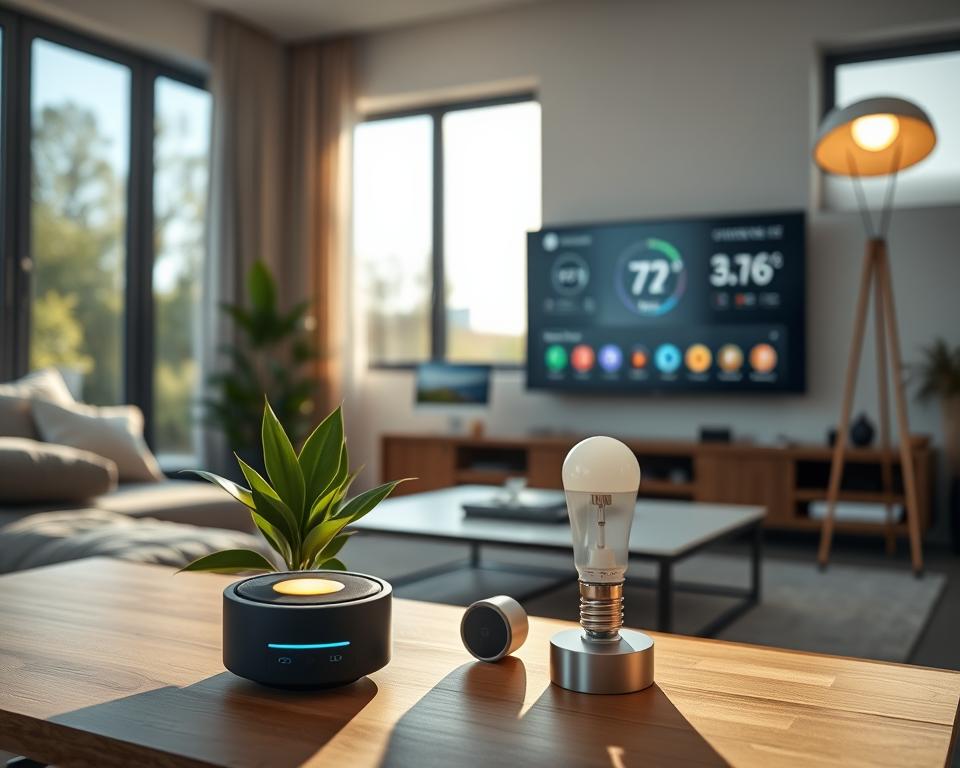
Home voice platforms now act less like gadgets and more like daily hubs that tie your devices, media, and routines together. Pick the one that fits your privacy needs, device ecosystem, and the kinds of interactions you want to automate.
Alexa: smart home control, routines, and music
Alexa is easiest for building routines that control lights, locks, thermostats, music, and shopping inside Amazon’s ecosystem.
Echo devices often deliver the best sound and broad device compatibility, plus an approachable routines editor for everyday life.
Siri: privacy and seamless Apple ecosystem usage
Siri shines when your devices are all Apple. It prioritizes on-device data protections and smooth handoffs across iPhone, iPad, and Mac.
Third-party smart home support is weaker, but integration with notes, calendar, and apps on Apple devices feels seamless.
Google Assistant: natural language and voice interactions
Google Assistant leads on natural language understanding and follow-up handling. Its smart displays add gesture controls and richer visual responses.
Google’s upcoming scripting editor promises advanced automation, while its ability to parse multi-step voice requests makes hands-free control stronger.
Quick comparison
| Platform | Strengths | Privacy & integration |
|---|---|---|
| Alexa | Routines, device breadth, sound quality | Good Amazon integrations; some data practice concerns |
| Siri | Apple ecosystem, on-device protections, smooth app handoffs | Strong privacy stance; limited third-party smart home options |
| Google Assistant | Natural language, displays, complex voice flows | Powerful integrations; privacy questions noted |
Bottom line: Alexa is best for home automation and sound; Siri is ideal if you live in Apple’s ecosystem; Google Assistant excels at natural language and visual interactions. All three can link basic calendar and notes, but none replace dedicated tools for deep scheduling or meeting management.
Where home assistants shine—and where they fall short for work
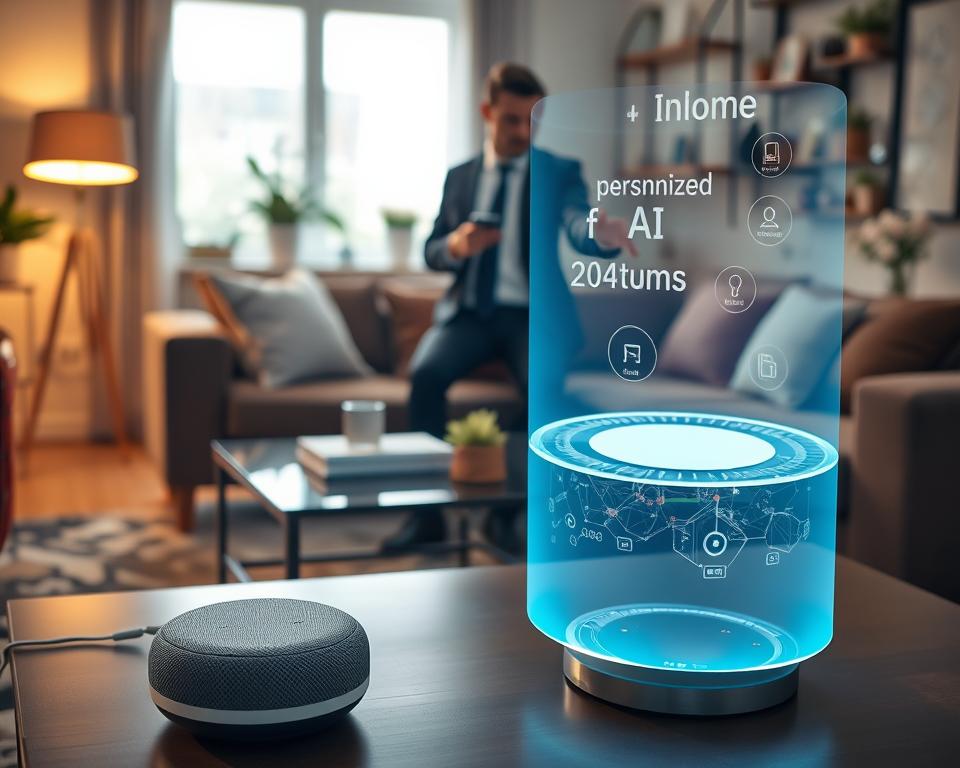
Quick voice interactions speed up small tasks, like setting timers, checking weather, or starting a routine. These tools make simple interactions feel natural and immediate.
Voice-first convenience vs. deep productivity workflows
Voice is great for lightweight use: short commands, notes, and hands-free reminders. It shines in the moment, not across complex projects.
For real work orchestration—calendar optimization, task prioritization, and meeting prep—you need tools built for scheduling, rescheduling, and task dependencies. Those features are rare in home devices.
Data practices, integrations, and ecosystem lock-in
Data policies differ. Siri emphasizes on-device privacy, while Alexa and Google Assistant have faced scrutiny for data use. That matters if you link work email or calendars.
| Platform | Strength | Work limitations |
|---|---|---|
| Alexa | Routines, smart home | Privacy concerns; limited enterprise integrations |
| Siri | Apple ecosystem privacy | Weaker third-party tool support |
| Google Assistant | Conversational understanding | Privacy questions; limited task depth |
Practical tip: pair a home helper with a work-first assistant for scheduling and team features. Use voice for capture, then let dedicated tools handle meetings, roles, and cross-app integrations.
Beyond the basics: tools like Lindy, Otter.ai, ClickUp AI, Notion AI, ChatGPT
Once you outgrow simple scheduling and summaries, a second layer of tools joins your stack to automate multi-step work and capture meeting intelligence.
Lindy is a no-code workflow builder that connects with 7,000+ apps. You can create agents that triage your inbox, auto-schedule, and send follow-ups from templates. Plans range from a free starter tier to Pro ($49.99/mo) and Business ($299.99/mo), so match the plan to your automation needs.
Otter.ai attends meetings to deliver live transcription, searchable summaries, and action items. It integrates with Zoom, Meet, and Teams and offers free minutes and paid plans starting at $16.99/user per month.
ClickUp AI and Notion AI live where your project docs and notes already are. They speed up writing, summarizing, and Q&A inside the workspace. If your team stores briefs and project artifacts in those apps, these tools reduce friction and make knowledge easier to reuse.
ChatGPT (Custom GPTs) and Grok provide conversational answers with memory and personality. They work well for quick research, drafting, and iterative interactions. For native productivity, Gemini and Copilot embed prompts into Gmail/Docs or Outlook/Word/Teams, helping with drafting, analysis, and recaps.
- When to combine tools: pair Otter’s meeting capture with a scheduling tool for full meeting orchestration.
- When to embed: use ClickUp or Notion if your project and knowledge management already live there.
- When to automate broadly: choose Lindy for cross-app workflows and multi-step automation.
| Tool | Primary use | Best fit |
|---|---|---|
| Lindy | No-code workflow agents, integrations | Cross-app automation, inbox triage |
| Otter.ai | Live transcription, summaries | Meeting capture and searchable notes |
| ClickUp AI / Notion AI | Docs, summaries, Q&A | Teams already using those workspaces |
Practical tip: build a short list based on where you spend most of your time—email, meetings, or docs—and pick tools that embed there. Match subscriptions to real usage, not hype, and prioritize integrations that preserve data control and seamless interaction.
Key features to prioritize in 2026-ready assistants
Prioritize tools that act instead of just suggesting, so your day runs with fewer interruptions. Look for systems that take real actions—rescheduling events, creating tasks, and pushing updates across apps—rather than returning only recommendations.
Autonomous scheduling, task prioritization, and rescheduling
Your assistant should handle scheduling that adapts when priorities shift. It must auto-reschedule conflicts, batch meetings, and protect focus time without repeated prompts.
Good scheduling accounts for deadlines, estimates, and task context—not just meeting slots.
Context awareness across email, meetings, and notes
Choose a tool that links email threads, meeting notes, and project docs so you see the full picture. Memory and natural language processing let the assistant recall past decisions and suggest next steps.
Team features: collaboration, handoffs, and role-based access
For teams, look for handoff flows, role-based controls, and shared visibility that preserve governance. Integration depth keeps data consistent across calendar, task, and project apps.
Security and compliance are non-negotiable. Ensure encryption and SOC 2 or HIPAA coverage before granting calendar or inbox access. Project awareness should surface dependencies so you can prevent bottlenecks before deadlines slip.
- Autonomous scheduling that adapts to shifting priorities.
- Natural language understanding and reliable memory.
- Task prioritization tied to deadlines and focus time.
- Deep integrations with core apps to reduce manual updates.
- Team controls, handoffs, and role-based access for governance.
| Feature | Why it matters | What to test |
|---|---|---|
| Autonomous scheduling | Reduces manual planning and context switching | Create a conflict and watch auto-reschedule behavior |
| Context awareness | Connects email, meeting notes, and tasks | Ask follow-up questions that reference prior meetings |
| Team controls | Maintains governance and clear handoffs | Test role restrictions and shared visibility |
| Integrations & security | Keeps data consistent and protected | Verify connectors and encryption; check SOC 2 / HIPAA |
Use cases you can automate today: from meetings to project follow-ups
You can offload routine meeting prep and follow-ups so your day stays focused on high-impact work. Small automations handle the chores that eat time, leaving you to steer projects and decisions.
Scheduling, calendar management, and meeting prep
Automate scheduling to avoid double-booking and to surface the right time for attendees.
- Auto-book and batch meetings to protect longer blocks of focus time.
- Pre-fill agendas from prior notes and related emails so you arrive prepared.
- Auto-reschedule when conflicts arise and notify stakeholders instantly.
Inbox triage, drafting, and follow-ups
Use inbox triage to sort messages and draft replies that you can edit fast.
- Flag priority threads and generate reply drafts for one-click send.
- Turn common updates into templates your assistant can send on schedule.
- Set follow-up reminders so project tasks do not stall.
Notes, summaries, and knowledge organization
Capture notes and generate summaries automatically after meetings.
- Link transcriptions to action items and assign owners immediately.
- Index meeting notes so they’re searchable for future projects.
- Auto-create task cards from decisions and timeline items.
Creating routines and protecting your focus time
Block focus time and let the assistant rearrange lower-priority tasks when meetings pop up.
- Use simple rules: protect mornings for deep work and shift shallow tasks to afternoons.
- Automate recurring admin—expense reminders, weekly status drafts, and check-ins.
- Convert project follow-ups into automated nudges so stakeholders stay on track.
Buying guide: mapping your needs to the right assistant
Start by mapping your daily bottlenecks—then choose tools that remove them. Define whether your day is calendar-first, meeting-heavy, or centered on docs and tasks. That clarity makes buying decisions simple and practical.
If your day lives in the calendar
Choose a tool that auto-prioritizes tasks and reschedules intelligently. Motion is a strong pick here because it blends calendar, task, and project planning. It protects focus time and moves tasks when conflicts appear.
If you’re drowning in meetings
Pair scheduling with meeting capture and summaries. Otter.ai adds live transcription, searchable notes, and clear action items so meetings stop creating more work than they solve.
If your team works in Google Workspace or Microsoft 365
Reduce app switching by using native assistants embedded in your suite. Gemini or Copilot sit inside Google and Microsoft tools and cut friction for drafting, summaries, and inbox triage.
If you need cross-tool automation and integrations
Choose a no-code agent builder for multi-step flows. Lindy connects email, calendar, CRM, and task apps so you can automate recurring handoffs without engineering support.
- Map must-have features to your needs: calendar defense, notes capture, project updates, or inbox management.
- Compare pricing by minutes saved, not feature lists. Plans range from free tiers to $20–$30+/user/month for suite-embedded assistants.
- Test integrations with your existing software to avoid silos and migration overhead.
- Start with a pilot for power users, gather feedback, then expand once ROI is clear.
- Keep security in scope: verify encryption, permission scopes, and admin controls match company policy.
| Need | Recommended tool | Key benefit |
|---|---|---|
| Calendar-first days | Motion | Auto-prioritizes tasks, reschedules, combines calendar + project planning |
| Meeting-heavy workflows | Otter.ai | Transcription, summaries, action items, searchable notes |
| Workspace-native workflows | Gemini / Copilot | Embedded drafting, inbox triage, lower app switching |
| Cross-app automation | Lindy | No-code agents connecting email, calendar, CRM, tasks |
The final verdict: best personal assistants for work and home
Your best choice depends less on buzz and more on the single bottleneck that steals your time. Pick the tool that fixes calendar chaos, recurring meetings, or home routines. That delivers the fastest productivity wins.
Work pick: Motion for full calendar plus task and project management
Motion is the best personal pick if you want a single assistant that combines calendar, task, and project flows. It auto-schedules, auto-reschedules, and defends focus time so planning overhead drops.
Team scheduling pick: Clockwise and Reclaim depending on scale
Clockwise works well when conversational rescheduling and flexible team slots matter. It adapts quickly when priorities shift.
Reclaim fits larger teams that need habit defense and predictable recurring times. It helps preserve routines across users.
Home pick: Alexa for routines and device ecosystem
Alexa wins for routines, device breadth, and daily lists at home. If you prefer privacy-first life integration, Siri is the safer choice. For voice strength and smart displays, consider Google Assistant.
Actionable next step: Build a short list from this verdict and trial one or two tools against a real week of work. Measure saved time, reduced context switches, and comfort with data access.
| Use case | Top pick | Why it wins |
|---|---|---|
| Full work management | Motion | Calendar + tasks + auto-reschedule |
| Team scheduling | Clockwise / Reclaim | Flexible rescheduling / habit defense |
| Home routines | Alexa | Broad device support and routines |
Conclusion
When routine scheduling and note triage run themselves, your day opens up for higher-value work. Let an assistant handle repetitive tasks so you spend more time on strategy and team priorities.
Pick tools by must-have features and real capabilities, not brand hype. If you need a unified work hub, start with Motion. For team scheduling pain, try Clockwise or Reclaim. For home routines, Alexa is the easiest path; consider Siri or Google based on privacy and ecosystem fit.
Keep security top of mind as you connect calendars and email. Shortlist two options, run a week-long pilot, and measure success by saved time and fewer context switches. If you still have questions, test, compare, and choose the setup that reliably reduces your workload.