Anúncios
Tire uma foto rápida e prática. Descubra as mudanças em dispositivos e residências que moldarão sua vida este ano. De inteligência artificial que coordena eletrodomésticos a TVs MicroLED de 100 polegadas com Dolby Vision 2, as maiores atualizações em tecnologia de consumo estão chegando rapidamente.
Você verá como o que as pessoas adotam em casa muitas vezes acaba chegando ao trabalho. Esse padrão ajuda você a planejar novas expectativas, ferramentas e políticas, em vez de reagir posteriormente.
Vamos destacar as vantagens e desvantagens práticas.Carros inteligentes com assistência ao motorista, dispositivos vestíveis que fornecem informações sobre saúde, celulares com múltiplas telas e até mesmo o retorno de celulares mais simples, ainda que em nichos de mercado, estão em alta. As pressões econômicas também estão impulsionando o setor de reparos e produtos recondicionados.
Para um contexto mais amplo e informações sobre a pesquisa, consulte a versão mais recente. conectividade e tendências móveisEste guia prepara você para identificar soluções prontas, recursos emergentes e o que é mais importante para sua rotina diária e seu trabalho.
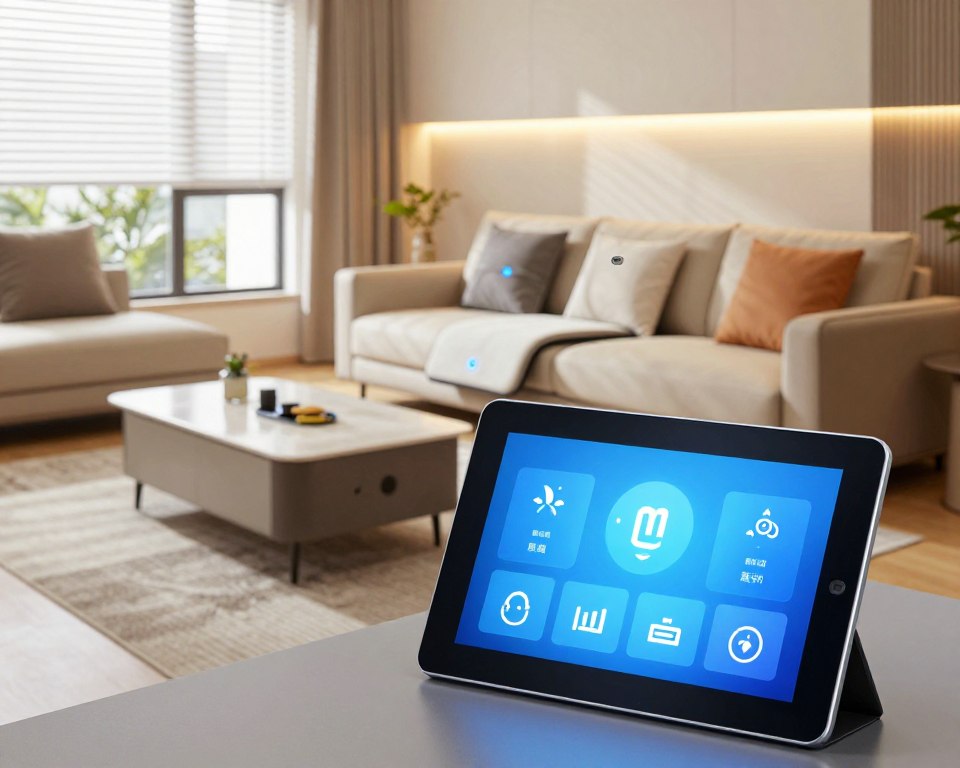
Casas mais inteligentes, vida mais inteligente: a IA transforma casas conectadas em casas verdadeiramente inteligentes.
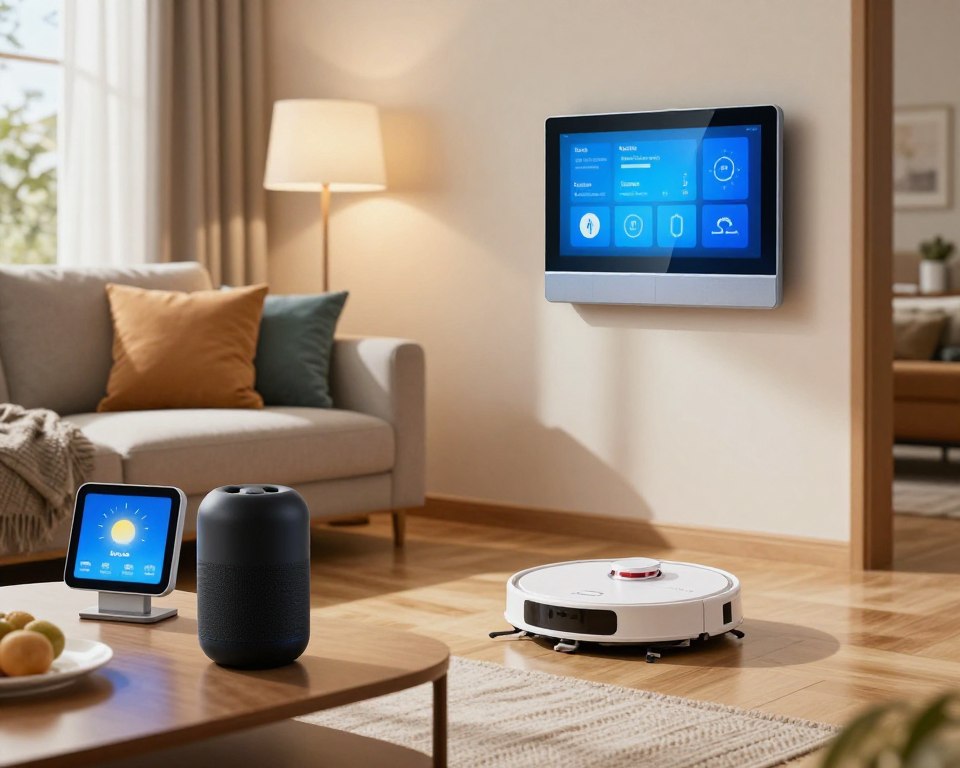
Imagine seus eletrodomésticos e sistemas de segurança funcionando como um único assistente útil. A orquestração por IA conecta iluminação, climatização, entretenimento e eletrodomésticos da cozinha, para que as rotinas sejam executadas sem a necessidade de alternar constantemente entre aplicativos.
De inteligente a sofisticado: orquestração por IA como sua "governanta" doméstica.
A IA aprende sua rotina. Ajusta luzes, temperatura e o tempo de funcionamento dos eletrodomésticos para maior conforto e economia. Cenas e automações funcionam em diversas marcas, proporcionando uma verdadeira sensação de ter uma dona de casa à disposição.
Segurança, monitoramento e tranquilidade com dispositivos integrados.
Sistemas de segurança integrados — campainhas com vídeo, fechaduras inteligentes, câmeras externas e sensores de movimento — agora compartilham alertas e imagens para um monitoramento mais claro e respostas mais rápidas.
Robôs e drones para tarefas domésticas, companhia e patrulhas de segurança.
Os robôs aspiradores ganham braços e sensores mais inteligentes. A CES 2025 apresentou drones e robôs domésticos realizando tarefas como limpeza, patrulhamento e até mesmo simples companhia.
Energia sem fio no horizonte: cortando o último cabo
A pesquisa em transferência de energia sem fio utiliza aprendizado de máquina para direcionar a energia com segurança. Essa promessa pode libertá-lo dos fios, embora a ampla aceitação pelo consumidor possa levar anos.
Antes de adicionar mais dispositivos domésticosVerifique as políticas de privacidade, interoperabilidade e atualização. Escolha fabricantes que ofereçam correções de segurança a longo prazo e integrações claras para que seu investimento continue a se valorizar.
Atualizações tecnológicas para o consumidor que você usará e carregará: celulares, óculos e equipamentos de bem-estar.
Os objetos que você carrega consigo ficarão mais inteligentes: celulares, óculos e dispositivos vestíveis agora funcionam mais como assistentes pessoais do que como simples aparelhos eletrônicos.
Smartphones com assistentes de IA Farão mais do que simplesmente abrir aplicativos. Gerenciarão calendários, exibirão mensagens importantes e realizarão tarefas com bate-papo e voz naturais. Os avanços em LLMs (Métodos de Aprendizagem Baseados em Aprendizagem) e PNL (Processamento de Linguagem Natural) tornam as conversas mais fluidas e menos formais.
Óculos inteligentes 2.0: telas mais leves e assistência sem usar as mãos.
Google e Meta almejam popularizar os óculos inteligentes até 2026. Óptica mais leve, baterias mais potentes e navegação em realidade aumentada aprimorada tornarão as instruções de direção sem usar as mãos e a tradução integrada utilizáveis em movimento.
Equipamentos de bem-estar que oferecem informações reais sobre saúde.
Os dispositivos de bem-estar agora vão além do monitoramento passivo. Espelhos inteligentes podem ler a frequência cardíaca e o humor. Colchões monitoram a respiração e a posição de dormir para melhorar o descanso. Esses produtos visam a revelar significativo sinais de saúde, e não apenas mais números.
A vantagem de priorizar o foco em telefones mais simples.
Ao mesmo tempo, a tendência dos "celulares básicos" cresce entre os compradores mais jovens que buscam menos distrações. Embora ainda represente uma pequena fatia do mercado, demonstra que existe demanda por um estilo de vida que prioriza o foco.
“Dispositivos que ajudam sem distrair são a verdadeira vitória para o dia a dia.”
Pontas: Escolha dispositivos com políticas de privacidade rigorosas, procure por validação clínica para alegações de saúde e dê preferência a baterias de longa duração e microfones nítidos para controle por voz.
Telas maiores, mais brilhantes e melhores para entretenimento em todos os lugares.
As telas estão ficando mais nítidas e brilhantes, e isso muda a forma como você assiste, joga e cria.
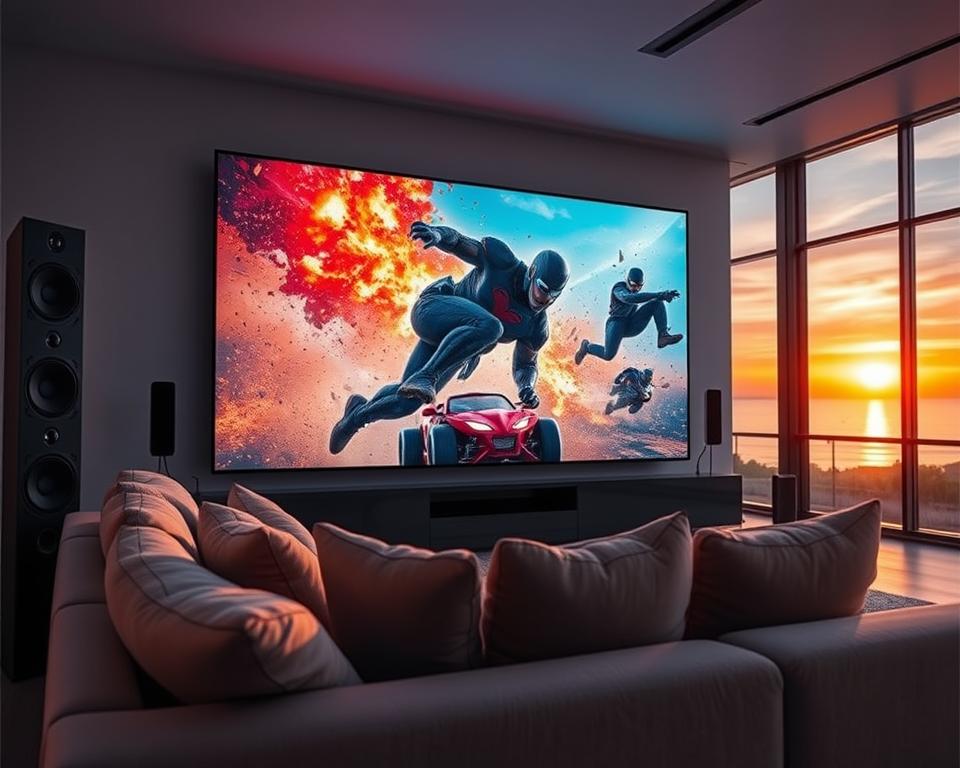
Por que a tecnologia MicroLED está saindo das lojas e chegando às salas de estar: Os custos de fabricação estão caindo, então modelos com mais de 100 polegadas da Sony e da Samsung estão se tornando mais comuns. A tecnologia MicroLED oferece maior brilho máximo, vida útil mais longa e menor risco de queimaduras em comparação com OLED ou QD-OLED.
MicroLED e Dolby Vision 2 simplificados
Dolby Vision 2 Aumenta a faixa dinâmica e controla os realces, para que as cenas claras mantenham os detalhes em vez de ficarem estouradas. Em outras palavras: ambientes mais iluminados e HDR vibrante têm uma aparência melhor. Isso é importante para filmes, esportes e jogos com alta taxa de quadros.
“O HDR em telas grandes tem a ver com brilho utilizável, e não apenas com um número maior na ficha técnica.”
Mais telas ao mesmo tempo: laptops e celulares.
Os laptops com tela dupla da Lenovo e da Asus oferecem multitarefa real sem a necessidade de monitores adicionais. Os celulares com três telas, apresentados pela Huawei e possivelmente pela Samsung, visam combinar mobilidade com opções robustas para o ambiente de trabalho.
Escolha modelos com base em características que são importantes: A precisão das cores, o desempenho HDR, a taxa de atualização e o escurecimento local moldarão o uso diário de dispositivos móveis muito mais do que o tamanho bruto das telas ou os nomes comerciais.
- Antes de escolher uma TV de 100 polegadas, leve em consideração o tamanho da sala e a distância entre os assentos.
- Ao utilizar um monitor com alto brilho, leve em consideração o projeto térmico — o consumo de energia e a refrigeração afetam a vida útil do produto.
- Use uma barra de som e iluminação indireta para melhorar o contraste percebido e a imersão.
| Tipo de exibição | Força | Marcas típicas | Quando escolher |
|---|---|---|---|
| MicroLED | Muito brilhante, longa duração, alto contraste. | Sony, Samsung | Quartos amplos, vista para a luz do dia. |
| QD-OLED / OLED | Pretos profundos, cores excelentes. | LG, Samsung | Noites de cinema em quarto escuro, jogos |
| Laptops/celulares com múltiplas telas | Multitarefa aprimorada, portabilidade | Lenovo, Asus, Huawei | Criação de conteúdo, produtividade em qualquer lugar |
Para uma análise mais aprofundada de como os painéis de LED atraem espaços para eventos e residências, leia o artigo. Resumo das atrações MicroLED.
Em movimento: carros inteligentes e micromobilidade tornam as viagens diárias fáceis.
O deslocamento diário está se tornando mais inteligente: carros, bicicletas elétricas e fones de ouvido agora funcionam juntos para tornar os trajetos mais fáceis e seguros.
Sistemas de assistência ao condutor e inteligência artificial integrada ao veículo. Oferecem verdadeira comodidade. Os modelos modernos contam com faixas de rodagem sem as mãos no volante, estacionamento automático e sistema anticolisão. Você continua sendo responsável, mas esses recursos reduzem o estresse em viagens longas.
Detecção de fadiga e controles com foco em voz.
O monitoramento da fadiga do motorista observa os padrões de direção e o movimento dos olhos para alertá-lo antes de um momento de risco. A inteligência artificial integrada ao veículo controla a navegação, as chamadas e a reprodução de mídia por meio de comandos de voz, para que você mantenha os olhos na estrada.
Micromobilidade mais inteligente
Bicicletas elétricas, scooters e veículos elétricos compactos agora incluem baterias de maior duração, painéis com GPS e otimização de rotas que sincroniza com seu smartphone. Essas opções são ideais para trajetos curtos e viagens de última milha.
Tradução em tempo real em qualquer lugar
Fones de ouvido, relógios e óculos inteligentes usam aprendizado de máquina e modelos de linguagem de baixa latência (LLMs) para traduzir a fala com baixa latência. Espere uma precisão razoável em idiomas comuns e modos offline para frases básicas.
- O que esperar: Mensagens de texto sem usar as mãos, sobreposição de instruções de navegação passo a passo e alertas de roubo em muitos modelos.
- Noções básicas de segurança: Capacetes, luzes, visibilidade e acessórios de segurança simples costumam ser mais importantes do que recursos supérfluos.
- Dica prática: Antes de comprar, compare as características e os modelos com seus trajetos, condições climáticas e preferências de conforto.
“Esses recursos de mobilidade aumentam a conveniência e a segurança, mas expectativas realistas ajudam você a escolher o que funciona hoje.”
Como as pessoas realmente farão upgrades: reparos, ofertas de produtos recondicionados e escolhas responsáveis.
Quando os preços oscilam, muitos consumidores recorrem a reparos e itens recondicionados certificados para atender às suas necessidades. Essa abordagem otimiza o orçamento e pode oferecer desempenho confiável sem o custo total de um produto novo.
Economizando no orçamento com reparos e aparelhos recondicionados.
Repare primeiro Quando o conserto custa menos da metade do preço de um aparelho novo e ele continua recebendo atualizações de segurança. Para celulares e laptops, a troca de baterias, telas e reparos de armazenamento geralmente prolongam a vida útil do dispositivo por anos.
O que pedir em anúncios de imóveis reformados: Saúde da bateria, peças originais, duração da garantia e política de devolução. Itens recondicionados certificados de fabricantes renomados geralmente apresentam desempenho semelhante ao de produtos novos e incluem garantia limitada de reparo.
Sustentabilidade e acessibilidade integradas em produtos de última geração.
A sustentabilidade agora se reflete em chips com baixo consumo de energia, componentes modulares, materiais reciclados e embalagens mais leves. Essas escolhas reduzem o desperdício e diminuem os custos operacionais a longo prazo de aparelhos e dispositivos.
Melhorias de acessibilidade—Reconhecimento de voz aprimorado em diferentes sotaques e métricas de saúde inclusivas—tornam os novos produtos mais fáceis de usar para um número maior de pessoas. Os fabricantes também estão planejando ciclos de atualização mais longos, o que beneficia tanto empresas quanto usuários individuais.
“Compre menos, compre melhor e aproveite ao máximo o que você já possui.”
- Dica de tempo: Considere o parcelamento ou o financiamento a curto prazo para itens de alto valor se você prevê tarifas ou alterações de preços.
- Segurança de dados: Limpe os dispositivos, saia das contas e siga uma lista de verificação simples antes de trocar ou vender o produto.
- Segurança: Mantenha os dispositivos antigos atualizados ou isole-os em uma rede de convidados caso as atualizações parem de ser disponibilizadas.
Conclusão
O próximo ano vai remodelar a forma como sua casa, trabalho e viagens se integram. Espere personalização impulsionada por inteligência artificial, telas maiores, mobilidade mais inteligente e dispositivos de bem-estar que fornecem informações práticas sobre a saúde.
Utilize essas informações. Para escolher soluções específicas que atendam às suas necessidades e ao seu orçamento, opte por dispositivos e produtos que ofereçam valor no dia a dia: segurança em casa, dados de saúde mais claros, viagens mais simples e conteúdo multimídia mais rico.
Fique atento à inclusão, sustentabilidade e suporte a longo prazo dos fabricantes. Reparar ou comprar produtos recondicionados pode ajudar a economizar e reduzir o desperdício enquanto o mercado se estabiliza.
Mantenha-se informado, teste onde for necessário e atualize com propósito.—Assim, as novas tecnologias melhoram a forma como você vive e trabalha sem criar atritos.